
Updated March 2026
If you’re comparing Anthropic alternatives—or scanning for Anthropic competitors—this guide lays out your choices like an engineer, not an ad. We’ll clarify what Anthropic covers, explain where aggregators fit, then compare the best alternatives—placing ShareAI first for teams that want one API across many providers, transparent marketplace data, smart routing/failover, real observability, and people-powered economics where idle GPU/server “dead time” gets paid instead of wasted.
Expect practical comparisons, a TCO framework, a migration guide, and quick links so you can ship fast.
What is Anthropic?
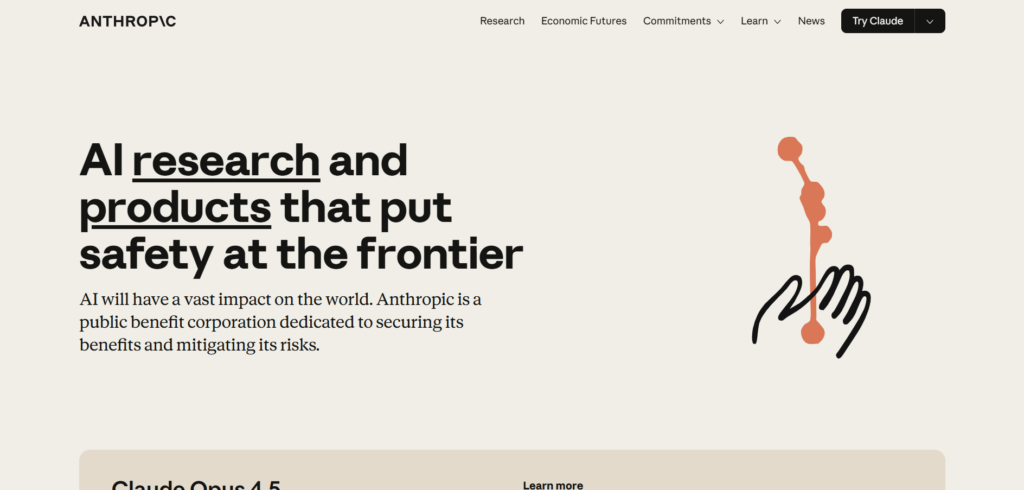
Anthropic (founded in 2021) is an AI company focused on safety, reliability, and alignment. Its flagship Claude family (e.g., Claude 3 & 4 variants) powers enterprise and consumer use cases with features like large-context LLMs, multimodal input, coding help, and “Constitutional AI” alignment methods. Anthropic sells direct via its API and enterprise programs (e.g., team/government offerings) and partners with major clouds and platforms. It is not a neutral, multi-provider marketplace—choose Anthropic primarily when you want Claude specifically.
Why teams rarely standardize on one provider
Model quality, price, and latency drift over time. Different tasks prefer different models. Reliability work—keys, logging, retries, cost controls, and failover—decides real uptime and TCO. A multi-provider layer with strong control and observability survives production.
Aggregators vs gateways vs agent platforms
- LLM aggregators: one API across many models/providers plus routing/failover and pre-route visibility (price/latency/uptime/availability).
- AI gateways: governance/policy/guardrails/observability at the edge; bring your own providers.
- Agent/chatbot platforms: packaged conversational UX, memory, tools, and channels; not focused on provider-neutral aggregation.
Common pattern: run a gateway for org-wide policy and an aggregator for transparent marketplace routing. Use the right tool for each layer.
#1 — ShareAI (People-Powered AI API): the best Anthropic alternative
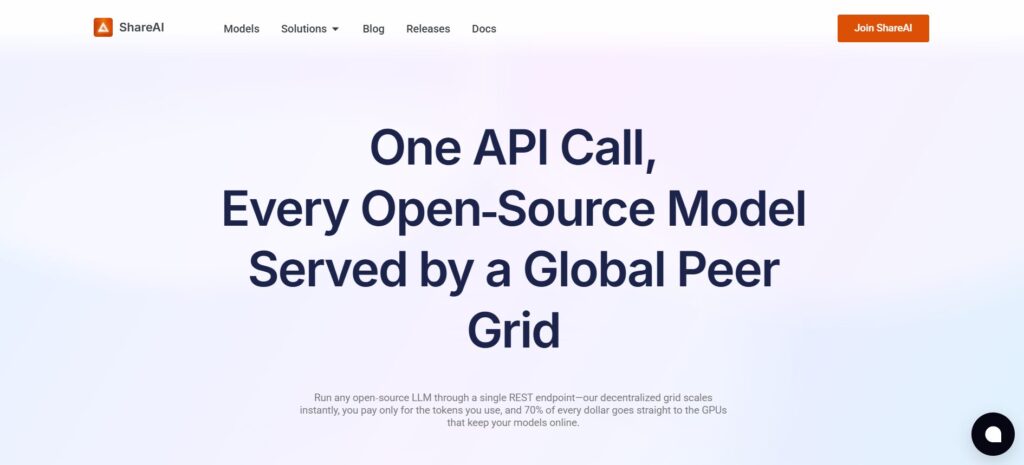
What it is: a multi-provider API with a transparent marketplace and smart routing. With one integration, you can browse a large catalog of models and providers, compare price, availability, latency, uptime, provider type, and route with instant failover.
Why ShareAI stands out:
- Marketplace transparency: pick providers by price, latency, uptime, availability, and type—before you route.
- Resilience by default: routing policies, timeouts, retries, and instant failover.
- Production-grade observability: prompt/response logs, traces, cost and latency dashboards.
- No rewrites, no lock-in: one API to talk to many proprietary and open models.
- People-powered economics: ShareAI taps the idle time (“dead time”) of GPUs and servers, so providers get paid for capacity that would otherwise sit unused—growing reliable supply while improving cost dynamics.
Quick links: Browse Models · Open Playground · Create API Key · API Reference (Quickstart) · User Guide · Releases · Become a Provider
The best Anthropic alternatives (full list)
OpenAI

What it is: a research and deployment company (founded 2015) focused on safe AGI, blending nonprofit roots with commercial operations. Microsoft is a major backer; OpenAI remains independent in its research direction.
What they offer: GPT-class models via API; consumer ChatGPT (free and Plus); image (DALL·E 3) and video (Sora); speech (Whisper); developer APIs (token-metered); and enterprise/agent tooling like AgentKit (visual workflows, connectors, eval tools).
Where it fits: high-quality models with a broad ecosystem/SDKs. Trade-off: single-provider; no cross-provider marketplace transparency pre-route.
Mistral

What it is: a France-based AI startup focused on efficient, open models and frontier performance. They emphasize portability and permissive use for commercial apps.
What they offer: open and hosted LLMs (Mixtral MoE family), multimodal (Pixtral), coding (Devstral), audio (Vocstral), plus “Le Chat” and enterprise APIs for customizable assistants and agents.
Where it fits: cost/latency efficiency, strong dev ergonomics, and an open approach. Trade-off: still a single provider (no marketplace-style pre-route visibility).
Eden AI
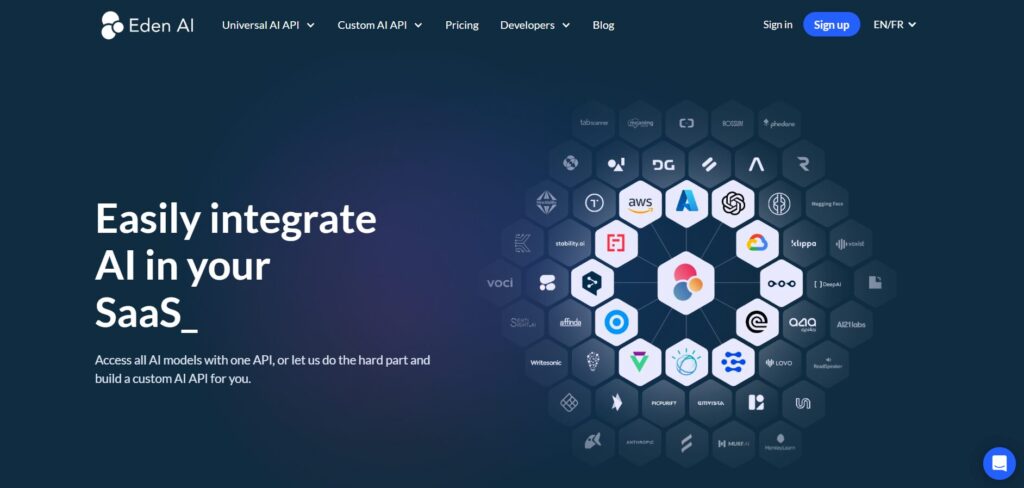
What it is: a unified gateway to 100+ AI models across modalities (NLP, OCR, speech, translation, vision, generative).
What they offer: a single API endpoint, no/low-code workflow builder (chain tasks), and usage monitoring/observability across diverse providers.
Where it fits: one-stop access to many AI capabilities. Trade-off: generally lighter on transparent, per-provider marketplace metrics before you route requests.
OpenRouter
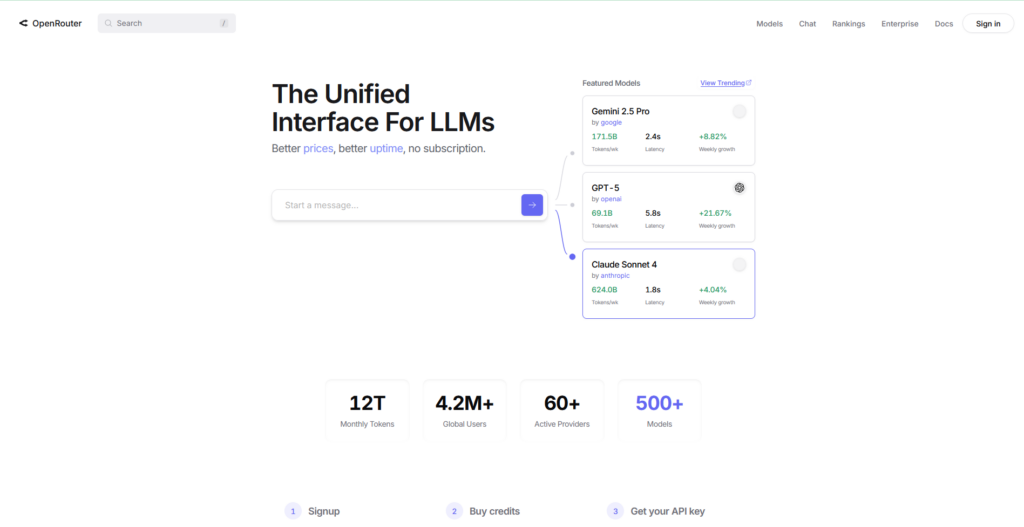
What it is: a unified API that aggregates models from many labs (OpenAI, Anthropic, Mistral, Google, and open-source), founded in 2023.
What they offer: OpenAI-compatible interface, consolidated billing, low-latency routing, and popularity/performance signals; small fee over native pricing.
Where it fits: quick experimentation and breadth with one key. Trade-off: lighter on enterprise control-plane depth and pre-route marketplace transparency vs. ShareAI.
LiteLLM
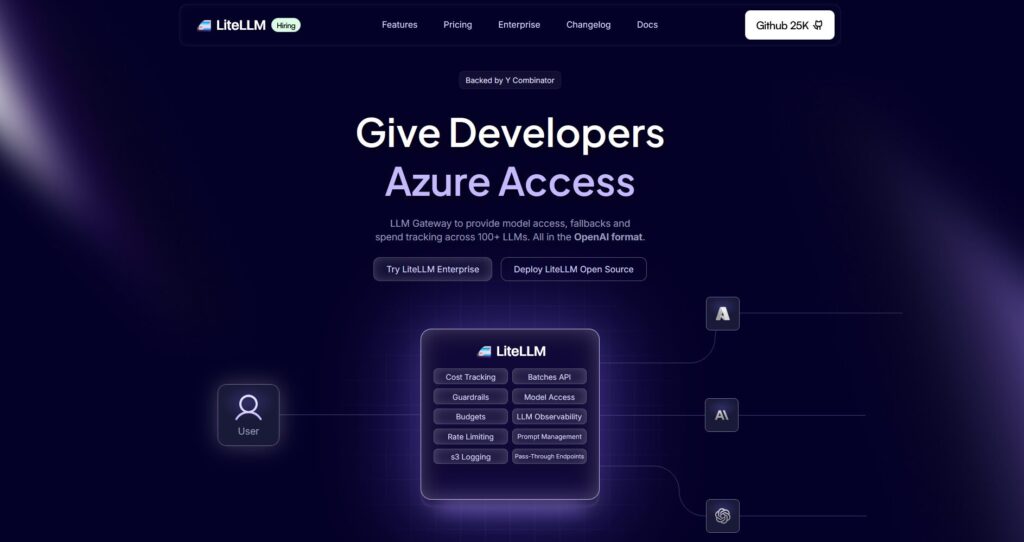
What it is: an open-source Python SDK and self-hosted proxy that speaks an OpenAI-style interface to 100+ providers.
What they offer: retries/fallbacks, budget and rate limits, consistent output formatting, and observability hooks—so you can switch models without changing app code.
Where it fits: DIY control and fast adoption in engineering-led orgs. Trade-off: you operate the proxy, scaling, and observability; marketplace transparency is out of scope.
Unify
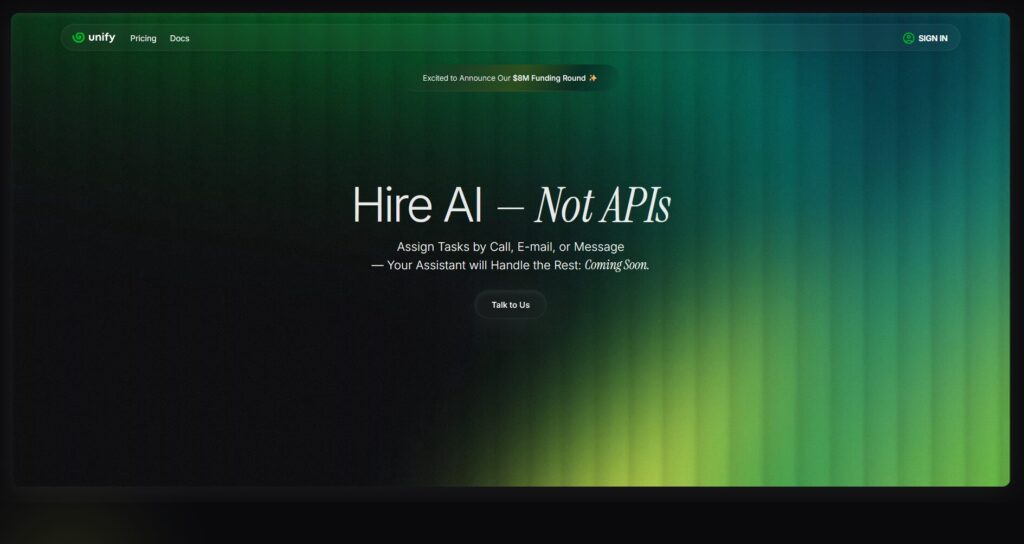
What it is: a platform for hiring, customizing, and managing AI assistants (an “AI workforce”) instead of wiring APIs directly.
What they offer: agent workflows, compliance and training features, evaluation and performance tooling, and growth/outreach automation leveraging multiple models.
Where it fits: opinionated agent operations and evaluation-driven selection. Trade-off: not a marketplace-first aggregator; pairs with a routing layer like ShareAI.
Portkey
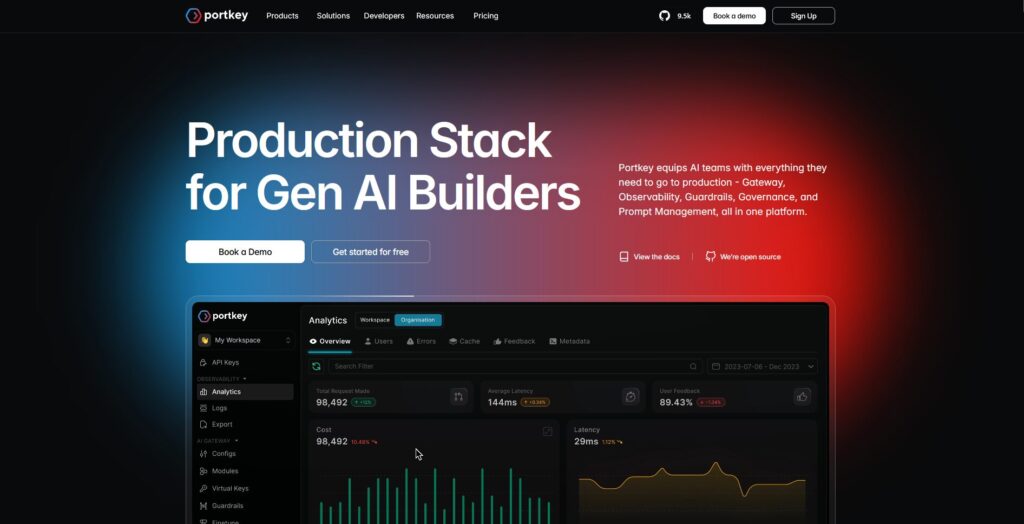
What it is: an LLMOps gateway offering guardrails, governance, observability, prompt management, and a unified interface to many LLMs.
What they offer: real-time dashboards, role-based access, cost controls, intelligent caching, and batching—aimed at production readiness and SLAs.
Where it fits: infra-layer policy, governance, and deep tracing. Trade-off: not a neutral marketplace; often paired with an aggregator for provider choice and failover.
Orq AI
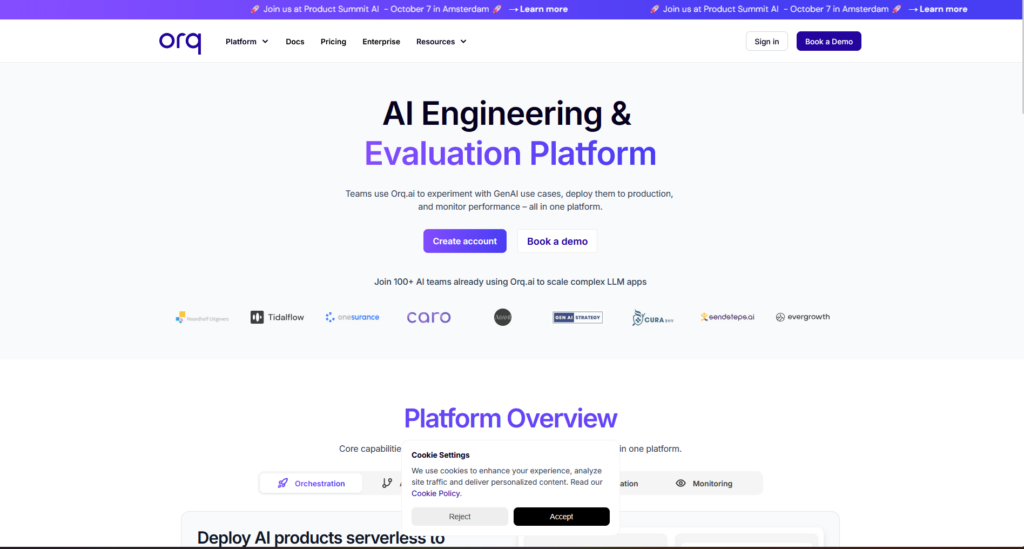
What it is: a no/low-code collaboration platform for software and product teams to build, run, and optimize LLM apps with security and compliance.
What they offer: orchestration, prompt management, evaluations, monitoring, retries/fallbacks, guardrails, and SOC 2/GDPR controls; integrates with 150+ LLMs.
Where it fits: collaborative delivery of AI features at scale. Trade-off: not focused on marketplace-guided provider routing; complements an aggregator like ShareAI.
Anthropic vs ShareAI vs others: quick comparison
| Platform | Who it serves | Model breadth | Governance/Observability | Routing/Failover | Marketplace view |
|---|---|---|---|---|---|
| ShareAI | Product/platform teams wanting one API + resilience; providers paid for idle GPU/server time | Many providers/models | Full logs/traces & cost/latency dashboards | Smart routing + instant failover | Yes (price, latency, uptime, availability, provider type) |
| Anthropic | Teams standardizing on Claude | Single provider | Provider-native | N/A (single path) | No |
| OpenRouter / LiteLLM | Devs who want breadth quickly / DIY | Many (varies) | Light/DIY | Basic fallbacks (varies) | Partial |
| Portkey (gateway) | Regulated/enterprise | BYO providers | Deep traces/guardrails | Conditional routing | N/A (infra tool) |
| Eden AI | Teams needing many modalities via one API | Many (cross-modal) | Usage monitoring | Fallbacks/caching | Partial |
| Unify | Ops teams hiring/handling AI agents | Multi-model (via platform) | Compliance + evals | Opinionated selection | Not marketplace-first |
| Mistral | Teams favoring efficient/open models | Single provider | Provider-native | N/A | No |
| OpenAI | Teams standardizing on GPT-class models | Single provider | Provider-native + enterprise tooling | N/A | No |
Pricing & TCO: compare real costs (not just unit price)
Teams often compare $/1K tokens and stop there. In practice, TCO depends on retries/fallbacks, model latency (which changes user behavior and usage), provider variance, observability storage, evaluation runs, and egress.
Simple TCO model (per month)
TCO ≈ Σ (Base_tokens × Unit_price × (1 + Retry_rate)) + Observability_storage + Evaluation_tokens + Egress
- Prototype (10k tokens/day): optimize time-to-first-token with Playground and quickstarts.
- Mid-scale (2M tokens/day): marketplace-guided routing/failover trims cost while improving UX.
- Spiky workloads: expect higher effective token cost during failover; budget for it.
Migration guide: moving to ShareAI from common stacks
From Anthropic: map model names; test Claude through ShareAI alongside alternates. Shadow 10% of traffic; ramp 25% → 50% → 100% as latency/error budgets hold. Use marketplace stats to swap providers without rewrites.
From OpenRouter: keep request/response shapes; verify prompt parity; route a slice through ShareAI to compare price/latency/uptime pre-send.
From LiteLLM: replace the self-hosted proxy on production routes you don’t want to operate; keep it for dev if preferred. Compare ops overhead vs. managed routing and analytics.
From Portkey/Unify/Orq: keep gateway/quality/orchestration where they shine; use ShareAI for transparent provider choice and failover. If you need org-wide policy, run a gateway in front of ShareAI’s API.
Get started quickly: API Reference · Sign in / Sign up · Create API Key
Security, privacy & compliance checklist (vendor-agnostic)
- Key handling and rotation; minimal scopes; environment separation.
- Data retention: where prompts/responses are stored and redacted.
- PII and sensitive content: masking and access controls; regional routing.
- Observability: prompt/response logs, traces, and cost/latency dashboards.
- Incident response: escalation paths and provider SLAs.
Developer experience that ships
Time-to-first-token matters. Start in the Playground, generate an API key, then ship with the API reference. Use marketplace stats to set per-provider timeouts, list backups, race candidates, and validate structured outputs—this pairs naturally with failover and cost controls.
curl -X POST "https://api.shareai.now/v1/chat/completions" \
  -H "Authorization: Bearer $SHAREAI_API_KEY" \
  -H "Content-Type: application/json" \
  -d '{
    "model": "provider/model-id",
    "messages": [{"role":"user","content":"Hello from ShareAI"}],
    "timeout_ms": 8000,
    "failover": {"providers": ["p1/model","p2/model"], "policy": "race"}
  }'
FAQ
Anthropic vs OpenAI: which for multi-provider routing? Neither—both are single providers. Use ShareAI to access both (and more) behind one API with marketplace visibility and instant failover.
Anthropic vs OpenRouter: breadth or control-plane depth? OpenRouter gives breadth; Anthropic gives Claude. If you need routing policies, deep observability, and marketplace data in one place, ShareAI is stronger.
Anthropic vs Eden AI: LLMs vs multi-service convenience? Eden AI spans more modalities. For provider-transparent LLM routing with deep observability, ShareAI fits better—while you can still mix other services.
Anthropic vs LiteLLM: managed vs DIY? LiteLLM is great if you want to run your own proxy. ShareAI offloads proxying, routing, and analytics so you can ship faster with less ops.
Anthropic vs Unify: per-prompt quality optimization? Unify emphasizes evaluation-driven selection; ShareAI emphasizes marketplace-guided routing and reliability and can complement evaluation loops.
Anthropic vs Portkey (gateway): org-wide policy or marketplace routing? Portkey is for governance/guardrails/traces. ShareAI is for neutral provider choice and failover. Many teams run both (gateway → ShareAI).
Anthropic vs Orq AI: orchestration or aggregation? Orq focuses on flows/collaboration. ShareAI focuses on provider-neutral aggregation and routing; you can pair them.
LiteLLM vs OpenRouter: which is simpler to start? OpenRouter is SaaS-simple; LiteLLM is DIY-simple. If you want zero-ops routing with marketplace stats and observability, ShareAI is the clearer path.
Anthropic vs Mistral (or Gemini): which is “best”? Neither wins universally. Use ShareAI to compare latency/cost/uptime across providers and route per task.
Conclusion
Choose ShareAI when you want one API across many providers, an openly visible marketplace, and resilience by default—plus people-powered economics that monetize idle GPUs and servers. Choose Anthropic when you’re all-in on Claude. For other priorities (gateways, orchestration, evaluation), the comparison above helps you assemble the stack that fits your constraints.
Try in Playground · Sign in / Sign up · Get Started with the API · See more Alternatives
 English
  简体中文
简体中文  हिन्दी
  Español
  العربية
  Français
  বাংলা
বাংলা  Português
  Русский
  Română
  Bahasa Indonesia
  اردو
اردو  Deutsch
  日本語
日本語  मराठी
मराठी  Tiếng Việt
  తెలుగు
  Hausa
Hausa  Türkçe
  Kiswahili
  Tagalog
  தமிழ்
தமிழ்  Cantonese
  فارسی
فارسی  한국어
한국어  ไทย
ไทย  Basa Jawa